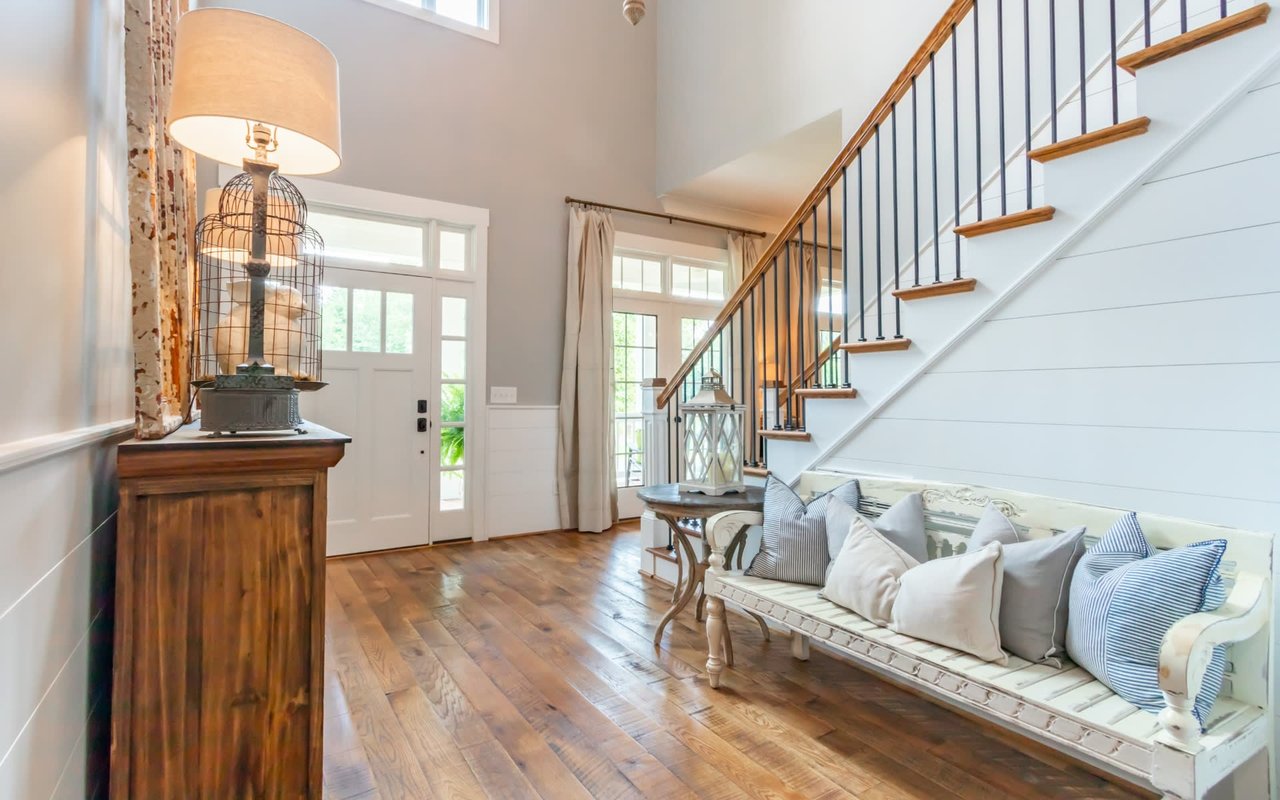
You find a home you love. The layout works, the location fits, and you can already picture your furniture in the living room.
Then comes the question: How much should you offer—and what else should you ask for?
When buying a home in Central Texas, the asking price is only one part of the negotiation. Closing cost assistance, repairs, move-in timing, and other contract terms can have a meaningful impact on your budget and experience.
The strongest offer starts with understanding the home, the competition, and your priorities. A lower purchase price might be your biggest goal. For another buyer, keeping more money available after closing could matter more.
Here’s what buyers in Austin, Buda, Kyle, and surrounding Central Texas communities should understand before making an offer.
How Much Negotiating Power Do Central Texas Homebuyers Have?
Your negotiating position depends on the specific property.
A home that has been sitting without much interest may offer more flexibility than a well-priced listing receiving multiple offers. The neighborhood, price range, condition, and available alternatives all matter.
For context, Unlock MLS reported 13,465 active listings and 5.4 months of inventory across the Austin–Round Rock–San Marcos metro in September 2026. Homes that closed that month sold for an average of 92.7% of their original list price.
That does not mean every buyer should offer 7.3% below asking. Original list price can differ from the current asking price, and a regional average combines many different properties and situations.
A home might already be priced competitively after a reduction. Another might still be priced above comparable sales.
Before deciding what to offer, look at:
- What similar homes recently sold for.
- Which competing homes have gone under contract.
- How the property compares in condition, layout, lot, and location.
- Its listing history and price changes.
- Whether there are other offers.
- What is known about the seller’s preferred timing.
An asking price is a starting point for analysis. It is not proof of market value.
1. The Purchase Price
Yes, you can offer less than asking price. Whether you should—and by how much—depends on the evidence.
If you’re buying a house in Buda or Kyle, for example, your comparison should include nearby resale homes and relevant new construction. An older home with a larger lot may offer advantages that a new build doesn’t. A builder may offer financial incentives that change the comparison.
The goal is to understand the entire package.
A price reduction doesn’t automatically mean a bargain
Consider two hypothetical homes:
One starts at $475,000 and drops to $450,000. Another enters the market at $440,000.
The first has a larger advertised reduction. The second could still be the better value.
Compare both with recent sales and current alternatives before deciding which deserves your offer.
The same principle applies to days on market. A longer listing period is a reason to investigate, but it does not tell you how much a seller will accept.
2. Seller-Paid Closing Costs
For some buyers, cash needed at closing is a bigger obstacle than the purchase price.
You can ask the seller to contribute toward eligible closing costs. This is commonly called a seller concession or seller credit.
The Consumer Financial Protection Bureau explains that buyers can negotiate seller-paid closing costs, while also considering any tradeoff in the purchase price. A seller may accept a different price depending on whether a credit is included.
Should you ask for a lower price or closing cost assistance?
Imagine a hypothetical home listed at $400,000. You might consider:
- Offering $390,000 without a seller credit.
- Offering $400,000 with a $10,000 seller contribution toward eligible closing costs.
Those offers affect your finances differently. They also may produce different seller proceeds once transaction expenses are considered.
A lower price can reduce the amount you borrow. An eligible seller credit can reduce the cash you need to bring to closing.
Have your lender compare the payment, estimated cash to close, and loan requirements for each option. Seller contributions are subject to financing limits and eligible expenses; you should not assume an unused credit becomes cash in your pocket.
The best structure is the one that supports your budget and makes sense for the property.
3. Funds Toward an Interest Rate Buydown
Depending on the loan program and lender, negotiated seller funds may be usable toward discount points or an approved temporary interest rate buydown.
These options work differently:
- Discount points involve an upfront cost in exchange for a lower interest rate under the lender’s offered terms.
- A temporary buydown reduces your payment for a specified initial period through an approved funding arrangement.
Ask your lender for a written comparison showing the cost, payment schedule, qualification requirements, and any break-even calculation that applies.
For a temporary buydown, understand the full payment after the assistance ends. Your budget should work without assuming you will refinance.
When buying a home in Austin or the surrounding area, a financing incentive deserves the same careful review as the asking price.
4. Repairs After the Home Inspection
An inspection helps you understand the property’s condition and decide how to proceed.
Depending on the findings and your contract, you may ask the seller to make specific repairs, agree to a price adjustment, or provide an allowable credit.
TREC explains that buyers with a valid termination option can use that period to inspect the property and negotiate an amendment addressing identified repairs. The seller does not have to agree to the requested changes. Your rights and deadlines depend on the contract.
Which repair requests deserve the most attention?
Start with issues involving safety, major systems, significant expense, or further evaluation.
For a Central Texas home, that could include concerns involving the foundation, roof, HVAC system, electrical components, drainage, plumbing, or an applicable septic system.
An inspection observation may require a qualified specialist to determine the scope and cost. Get that information before treating an estimate or assumption as a final answer.
A focused request supported by the inspection and relevant professional evaluations is easier to assess than a long list of minor cosmetic preferences.
Should the seller make repairs or provide a credit?
Seller-completed repairs may address a problem before closing. A permitted credit may give you more control over the work afterward.
But some repairs may need to be completed before a lender will fund the loan. A credit also leaves you responsible for arranging and paying for the work.
Choose the approach after reviewing the condition, financing requirements, timing, and documentation.
5. The Closing Date and Possession Timing
A seller’s preferred timeline can create an opportunity to negotiate.
One seller may need to close quickly. Another may need time to coordinate a move. If your schedule allows flexibility, accommodating a reasonable timing need could strengthen your offer.
However, the closing date and the date you receive possession are not always the same.
If a seller wants to remain after closing, the arrangement needs appropriate written terms addressing possession, payment, deposits, responsibilities, and what happens if the seller does not leave on time. Lender and insurance requirements also need review.
Before offering flexibility, make sure it works with your own housing plans.
6. Appliances and Other Personal Property
Love the refrigerator? Need the washer and dryer? Ask whether they can be included.
Movable items should be specifically addressed in the appropriate written agreement. Don’t assume something stays because you saw it during the showing or in the listing photos.
Your agent can help distinguish between fixtures, excluded items, and personal property that needs a separate agreement.
These details may seem small during negotiations, but replacing several appliances immediately after closing can affect your moving budget.
7. New Construction Incentives
If you’re considering new construction in Kyle, Buda, Georgetown, or another Central Texas community, review more than the advertised starting price.
Depending on the builder, community, and home, negotiable items or available incentives may include:
- Closing cost assistance.
- Financing incentives.
- A price adjustment on a completed inventory home.
- Included appliances or selected upgrades.
- Lot premiums or other charges.
Offers vary, and some require a preferred lender or other conditions. Ask for the complete terms and compare the total price, financing costs, cash to close, and payment.
A large incentive is worth evaluating carefully. It does not establish that the home is the best value.
Builder contracts can also differ substantially from the contracts used for resale homes. Understand the inspection provisions, deadlines, deposits, and completion terms before committing.
What Makes a Home More Negotiable?
Several factors can justify a closer look:
- A longer listing period than comparable homes.
- Multiple price reductions.
- Competing properties offering stronger value.
- Significant documented repair needs.
- A seller’s stated need for a particular closing timeline.
- Nearby builder offers that appeal to the same buyers.
None guarantees a discount. They help shape the questions your agent asks and the offer you consider.
Also ask why the home hasn’t sold. An ambitious price may be fixable through negotiation. A location, layout, or maintenance concern may continue to matter throughout your ownership.
A negotiated discount is useful only if the home still fits your needs.
How to Make a Strong Offer Without Overpaying
Before submitting an offer, decide what matters most to you.
Is it the lowest price? Less cash at closing? Addressing a major repair? Having enough time to complete your due diligence?
Choose your priorities, then evaluate the entire offer with your agent and lender.
A strong offer typically has:
- A price supported by the property and comparable sales.
- Financing information that gives the seller confidence.
- Clear, purposeful requests.
- Realistic timelines.
- Contract protections you understand.
Decide your financial limits before the counteroffer arrives. It is easier to hold a clear budget when you have already discussed the tradeoffs.
Frequently Asked Questions About Negotiating a Home Purchase in Central Texas
How much below asking price should I offer?
There is no reliable percentage that works for every home. Review comparable sales, current competition, condition, listing history, and other offers. A carefully priced home may justify an offer near asking, while an overpriced property may support a lower offer.
Can a seller pay all of my closing costs?
You can request assistance, but the seller must agree, and your loan program limits the amount and types of costs a seller can cover. Have your lender confirm what is allowable before submitting the offer.
Can I negotiate repairs on a home listed “as is”?
An “as is” provision does not necessarily prevent inspections or a later repair agreement. TREC explains that buyers may negotiate an amendment after identifying specific repairs during an applicable option period. The seller can decline, so your contract rights and deadlines matter.
Can I negotiate on a brand-new home?
You can ask. The builder’s flexibility depends on the home, inventory, timing, and sales policies. Compare any price adjustment or incentive with the full contract and financing terms.
Is the lowest offer always the smartest offer?
The best outcome depends on your priorities and the complete transaction. A purchase that preserves needed savings, addresses significant condition concerns, and provides workable timing may serve you better than a lower price with unfavorable terms.
Buy With a Strategy Built Around You
Buying a home is a major financial and personal decision. You deserve clear answers about what a property is worth, which terms could help you, and when an offer no longer makes sense.
At Crider Realty, I bring 13 years of real estate experience to helping buyers evaluate their options and negotiate with purpose. Whether you’re buying your first home in Kyle, moving to Buda, or searching in Austin and surrounding Central Texas communities, I’ll help you understand the details before you commit.
Ready to find your next home? Contact Havilah Crider at Crider Realty to build a buying strategy around your budget, timeline, and goals.
By Havilah Crider, Broker/Owner, Crider Realty
Market statistics reflect September 2026. Negotiability, financing eligibility, and contractual rights vary by property and transaction.